
- This event has passed.
Roundtable on FTAs and Their Implications for Access to Medicines and Health in India, New Delhi
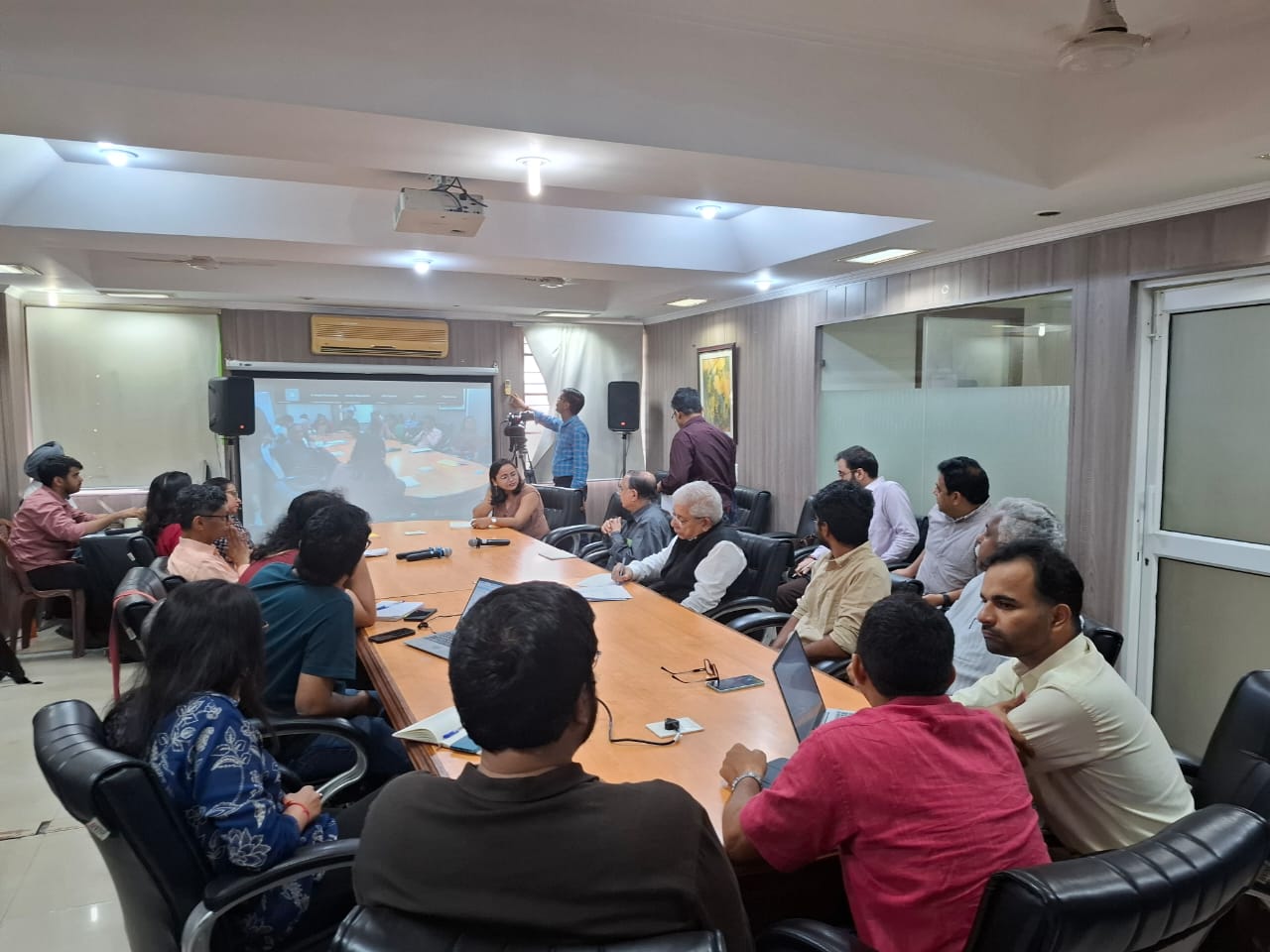
Roundtable on FTAs and Their Implications for Access to Medicines and Health in India, New Delhi
26 September 2026
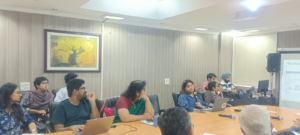
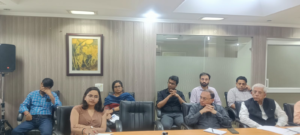
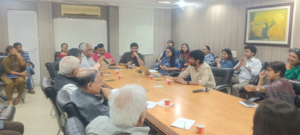
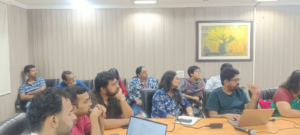
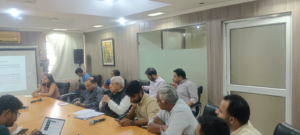
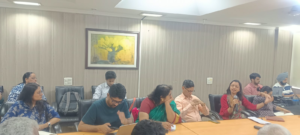
The Working Group on Access to Medicines and Treatments organised a roundtable on Free Trade Agreements (FTAs) and their implications for access to medicines and health in India on 26 September 2026 at YWCA, New Delhi.
The Working Group has identified FTAs as an important area of concern, particularly because trade agreements can contain provisions that extend beyond the obligations established under the WTO framework, and may have implications for public health and the availability of affordable medicines. Experts at the convening examined the relationship between trade policy, intellectual property protections, and access to affordable medicines. They examined how provisions relating to intellectual property, patents, data exclusivity, and other pharmaceutical-related measures could affect India’s public health interests and its generic pharmaceutical industry.
Priya Anuragini, Assistant Professor, Dr. Ram Manohar Lohiya National Law University, Lucknow, provided an overview of the evolution of the international trade regime, tracing the transition from the multilateral trading system under GATT and WTO to the increasing use of FTAs, Preferential Trade Agreements (PTAs), and other comprehensive trade agreements. She examined India’s changing approach towards such agreements, particularly in relation to intellectual property rights (IPR) and access to medicines. Prof. Abhijit Das, an independent trade policy analyst, highlighted that since 2021India has entered into several FTAs containing commitments on IP, which could progressively reduce the policy flexibilities available in the area of public health and access to medicines. Roshan John, Legal and Policy Advisor, Doctors Without Borders, shared that generic manufacturers may either have to wait until the exclusivity period expires or conduct their own clinical trials due to data exclusivity. Data exclusivity significantly increases costs and raises ethical concerns associated with repeating trials. Stronger forms of data exclusivity are increasingly pursued through bilateral trade agreements and FTAs.
Chetali Rao, Legal Advisor, Third World Network, emphasised that market exclusivity should remain limited to the protections provided under the patent framework and applicable international agreements, and should not be recreated through administrative or regulatory measures. She called for continued rejection of exclusivity provisions that could restrict generic and biosimilar competition, effective implementation of the relevant provisions governing regulatory information, and finalisation of biosimilar guidelines that avoid unnecessary clinical-trial requirements. She stressed that administrative measures such as “level playing field” requirements should not undermine the safeguards developed within India’s patent system over the past two decades.
Referring international studies and WHO literature, Dr. Ashok Madan, Executive Director, Indian Drug Manufacturers’ Association (IDMA), indicated that linking regulatory data protection with market access can delay generic and biosimilar competition and negatively affect access to medicines. He emphasized that the patent system and regulatory approval system have distinct objectives and should remain separate.
Dr. Krishna Ravi Srinivas, Director of the Centre for IPR Studies at NALSAR, Hyderabad, proposed exploring alternative mechanisms to data exclusivity, such as a protected data commons, to facilitate the entry of generic manufacturers, encourage market competition, and improve access to affordable medicines without entirely disregarding the interests of innovators.
The Working Group is a national-level network comprising civil society organisations (CSOs), patient and patient groups, scientists, journalists, lawyers, and other individuals working towards ensuring access to affordable medicines. Representatives of CSOs, academia, patient and public health groups, pharmaceutical industry, and other stakeholders attended the roundtable.